
"coffee chemistry"
700 article(s) found

Chemical effects of Fine Coffee in the process of Milk foaming
Assuming that all cows grow in the same place and eat the same food, the following three factors have a direct impact on milk: Lactose, milk fat and protein content. Although you don't need a degree in chemistry, it's a more complicated technique to understand the chemical effects of milk on coffee. But if you want to make a perfect and beautiful foam flower,

What chemical reaction happens when milk becomes foam? How does milk become foam?
Professional coffee knowledge exchange More coffee bean information Please pay attention to coffee workshop (Weixin Official Accounts cafe_style) Although you don't need a degree in chemistry, it is indeed a more complicated technology to understand the chemical effect of milk on coffee. But if you want to make perfect, beautiful foam, you have to learn about milk. Milk goes with it.
How to drink Italian Coffee Powder _ illy Coffee Powder can I drink it directly in soak _ illy Coffee Powder
Professional coffee knowledge exchange more coffee bean information please follow the coffee workshop (Wechat official account cafe_style) Italian (illy) deep roasting coffee powder 01 coffee derived from noble Italian origin since 1933, illy coffee has been cherishing a dream. Provide consumers with high-quality coffee. Illycaff (Italian Coffee) by Francesco Illy in 1
Several acids in roasted coffee
There are mainly the following kinds of acids in roasted coffee-Zheng Wei (Italian Coffee University). According to the first edition of the chemistry of quality, there are mainly the following acids in roasted coffee: formic acid is the most in shallow roasting, and acetic acid decreases with the deepening of deep roasting, and decreases with the deepening of deep roasting.
Several acids in roasted coffee
There are mainly the following kinds of acids in roasted coffee-Zheng Wei (Italian Coffee University). According to the first edition of the chemistry of quality, there are mainly the following acids in roasted coffee: formic acid is the most in shallow roasting, and acetic acid decreases with the deepening of deep roasting, and decreases with the deepening of deep roasting.

Coffee acquisition data Coffee Flavor Chemical Coffee Flavor extraction Coffee
Coffee needs temperature balance since the PID temperature control system was installed in the coffee machine, there has been a frenzy of temperature control. Professionals said: we need more accurate temperature! almost all manufacturers have no objection to this. When we think about these changes and developments, some people may ask: in such a busy bar, is the precise temperature control of the machine so important? Common sense of science

The 26th World Coffee Science Congress settled in Yunnan
A few days ago, with the approval of the people's Government of Yunnan Province, the 26th World Coffee Science Congress will be held in Kunming from November 13 to November 19, 2016, when scientists from all over the world will gather in Kunming. there will be a Huashan debate on coffee and health, coffee chemistry, coffee agronomy and other scientific topics. According to the organizing committee of the conference, the main venue of the conference is located in Kunming.
Coffee basics several acids in roasted coffee
There are mainly the following kinds of acids in roasted coffee-Zheng Wei (Italian Coffee University). According to the first edition of the chemistry of quality, there are mainly the following acids in roasted coffee: formic acid is the most in shallow roasting, and acetic acid decreases with the deepening of deep roasting, and decreases with the deepening of deep roasting.

Coffee bean roasting degree how to roast coffee beans
In the roasting process of coffee beans, the transformation of ingredients is very complex, after all, coffee beans are organic matter, so the transformation of this component is very complex, and the modern knowledge of organic chemistry can not fully understand. However, the roasting of coffee beans directly determines the aroma of coffee beans. Coffee that is not roasted well, even if raw coffee beans are good, but also
Any of several acids in roasted coffee.
There are mainly the following kinds of acids in roasted coffee-Zheng Wei (Italian Coffee University). According to the first edition of the chemistry of quality, there are mainly the following acids in roasted coffee: formic acid is the most in shallow roasting, and acetic acid decreases with the deepening of deep roasting, and decreases with the deepening of deep roasting.

The 26th World Coffee Science Congress settled in Yunnan
A few days ago, with the approval of the people's Government of Yunnan Province, the 26th World Coffee Science Congress will be held in Kunming from November 13 to November 19, 2016, when scientists from all over the world will gather in Kunming. there will be a Huashan debate on coffee and health, coffee chemistry, coffee agronomy and other scientific topics. According to the organizing committee of the conference, the main venue of the conference is located in Kunming.

Any of several acids in roasted coffee.
There are mainly the following kinds of acids in roasted coffee-Zheng Wei (Italian Coffee University). According to the first edition of the chemistry of quality, there are mainly the following acids in roasted coffee: formic acid is the most in shallow roasting, and acetic acid decreases with the deepening of deep roasting, and decreases with the deepening of deep roasting.
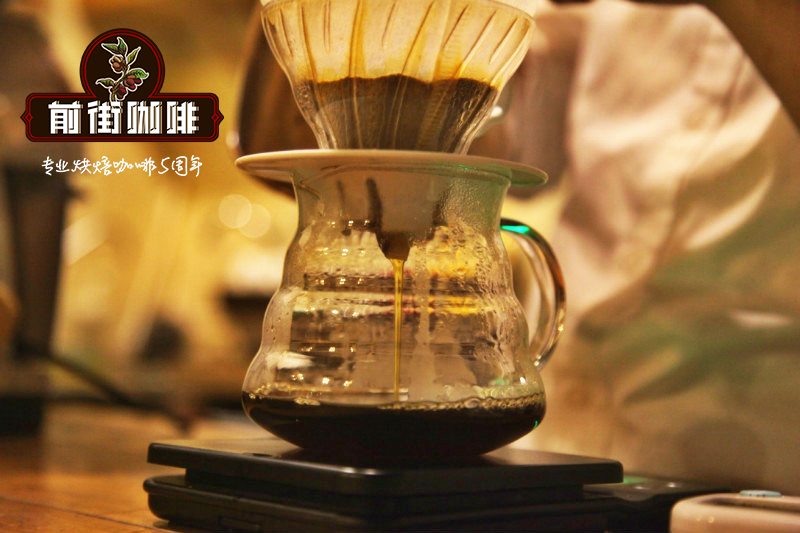
From a chemical and physical point of view-coffee should be so strong!
Professional coffee knowledge exchange more coffee bean information Please pay attention to coffee workshop (Wechat official account cafe_style) Coffee is not only used to refresh modern people, more importantly, whether at home or in the office, a cup of coffee can relax tired nerves and enjoy a moment of leisure time. Many people are not satisfied with buying take-out coffee, but also buy coffee.

"Mena reaction" caramelization reaction furan "to create caramel sweet black coffee
It was not until 1926 that furan unveiled the fascinating aroma of caramel sweet coffee for the first time by two top scientists, TadeusReichstein of Switzerland and Hermann Staudinger of Germany. After 1950, the two men won the Nobel Prize in Medicine and the Nobel Prize in Medicine for their outstanding contributions to science.

Production of Espresso: grinding
The thickness of coffee beans depends on the way they are cooked. Generally speaking, the longer the cooking time, the thicker the ground powder.

The method of roasting coffee beans in the practice of roasting coffee beans
But in the roasting process of coffee beans, the transformation of ingredients is very complex, after all, coffee beans are organic matter, so the transformation of this component is very complex, and the modern knowledge of organic chemistry can not fully understand. However, the roasting of coffee beans directly determines the aroma of coffee beans. Coffee that is not roasted well, even if raw coffee beans are good, but

There are mainly several kinds of acids in roasted coffee.
There are mainly the following kinds of acids in roasted coffee-Zheng Wei (Italian Coffee University). According to the first edition of the chemistry of quality, there are mainly the following acids in roasted coffee: formic acid is the most in shallow roasting, and acetic acid decreases with the deepening of deep roasting, and decreases with the deepening of deep roasting.

Coffee roasting techniques what are the requirements for coffee roasting? how should coffee be roasted?
But in the roasting process of coffee beans, the transformation of ingredients is very complex, after all, coffee beans are organic matter, so the transformation of this component is very complex, and the modern knowledge of organic chemistry can not fully understand. However, the roasting of coffee beans directly determines the aroma of coffee beans. Coffee that is not roasted well, even if raw coffee beans are good, but
How do you get the aroma of coffee beans? How do we perceive the aroma of coffee? Those compounds produce aromas.
What produces the aroma of coffee? To understand chemistry we drink coffee in order to enjoy its unique flavor and rich aroma. When we pour or sip espresso, it is reminiscent of chocolate, caramel, almonds, fruits and flowers. But what happened at the chemical level? Each sensory characteristic is the result of chemical and biological reactions. Please read on to learn more about production
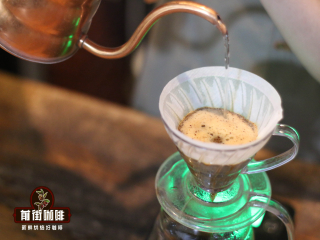
How does under-extraction and over-extraction affect coffee flavor? Hand brewed coffee grind powder water ratio
Extraction: means to squeeze something out or to obtain an extract. In chemistry, extraction refers to the extraction of valuable substances (flavors) from raw materials (coffee beans). In coffee extraction, the most common is the use of hot water to extract flavor from coffee grounds. Over-extraction: refers to coffee powder in contact with hot water